Shaft couplings are vital components in mechanical systems, connecting two shafts to transmit power and torque. These components play an essential role in ensuring smooth operation in various industries, from automotive to heavy machinery. Over time, however, shaft couplings may begin to deteriorate, leading to poor performance, excessive wear, and even mechanical failure if not addressed promptly. Recognizing the signs of a failing shaft coupling early can save businesses significant time, cost, and downtime. This article explores how to tell if a shaft coupling is bad, common causes of failure, and how to prevent damage in the future.
What is a Shaft Coupling?
Definition and Purpose
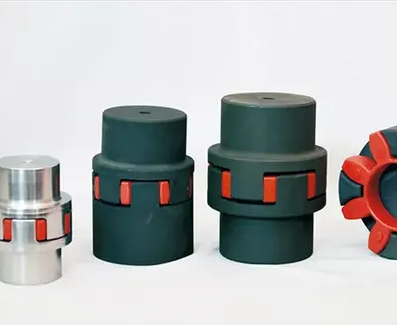
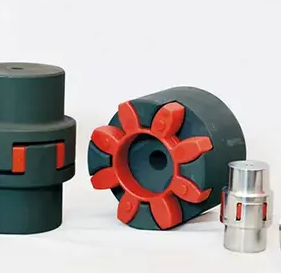
A shaft coupling is a mechanical device used to connect two rotating shafts, allowing them to transfer torque and rotational motion. The primary function of a shaft coupling is to ensure that the power generated by one shaft is transmitted efficiently to another shaft without interruption. Shaft couplings are also designed to handle certain misalignments between shafts, which can occur due to mechanical wear or thermal expansion. They are crucial for keeping machinery and equipment running smoothly.
Shaft couplings come in different types, each suited for specific applications, whether for low-speed or high-speed operations, or systems requiring flexibility to accommodate misalignments.
Signs of a Failing Shaft Coupling
1. Excessive Vibration or Unusual Noise
One of the first indicators that a shaft coupling is failing is excessive vibration or unusual noise during operation. When a coupling begins to wear or malfunction, it can cause imbalances or misalignments in the system. These imbalances can lead to noticeable vibrations, often accompanied by clunking, squeaking, or grinding noises.
Vibration
Excessive vibration is usually a result of a misaligned or worn-out coupling that fails to absorb shocks or maintain torque transmission efficiently. It can affect the overall stability of the machinery, leading to further wear on other components.
Noise
Unusual noises such as squealing or grinding could indicate that the coupling is not functioning as it should. These sounds are often caused by worn parts or excessive friction between the coupling components.
2. Visible Wear, Corrosion, or Physical Damage
A physical inspection of the coupling can reveal signs of damage or wear. Over time, a shaft coupling can develop cracks, chips, or corrosion due to constant use and exposure to various environmental factors, such as heat, moisture, or chemicals.
Cracks and Deformation
Cracks in the coupling are a clear sign of fatigue or stress. These cracks can eventually lead to a complete failure of the coupling if left unchecked. Additionally, any noticeable deformation or bending of the coupling parts can cause misalignment and negatively impact the performance of the entire system.
Corrosion
Corrosion is a common issue in environments exposed to moisture, salt, or chemicals. Corroded couplings lose their strength and can no longer effectively transmit torque, resulting in the need for replacement.
3. Heat or Discoloration Around the Coupling
Excessive heat generation around the coupling area can indicate that the coupling is under strain or there is an issue with the load distribution. Overheating can result from friction, improper lubrication, or an overload condition. In severe cases, the coupling or its surrounding components may start to show discoloration, which is a clear sign that the coupling is reaching the end of its service life.
Heat Generation
If the coupling is overheating, it is likely due to excessive friction or misalignment. Heat can cause the material to degrade over time, which reduces the coupling's ability to function properly.
Discoloration
Discoloration of the coupling components (such as turning blue or brown) is another sign of excessive heat or stress. This often occurs in metal components exposed to prolonged high temperatures.
4. Excessive Play or Backlash
Backlash refers to the slight movement or play between two connected parts of the coupling, such as the coupling hubs and the shaft. Excessive backlash is a common indicator that the coupling has worn down or is no longer providing the necessary torque transfer. This issue can affect the precision of machinery, leading to inefficiency and increased wear on other components.
Play or Movement
If you notice that the coupling components move more than usual or there is noticeable slack when the shaft is rotated, it could indicate that the coupling is deteriorating. This can lead to inaccurate or erratic movements of the connected machinery.
5. Misalignment Symptoms (Indirect Indicator)
Misalignment is a common cause of coupling failure. If a coupling is failing, you may observe that the shafts are no longer aligned properly, causing uneven stress on the system. Misalignment can lead to increased wear and tear, resulting in further damage to the coupling.
Misalignment can be caused by various factors, such as thermal expansion, settling of machinery, or improper installation. Early detection of misalignment symptoms can prevent further damage to both the coupling and other mechanical components.
6. Increased Power Consumption or System Inefficiency
A failing coupling can cause power loss due to inefficiencies in torque transmission. If the coupling is not functioning correctly, it may not transfer power as efficiently as it should, leading to an increase in energy consumption. Systems with a bad coupling may also run less smoothly, which can lead to decreased overall performance.
7. Loose Fasteners, Runout, or Imbalance
Loose fasteners or bolts in the coupling assembly can lead to imbalances, which will further exacerbate the problems with vibration and noise. Runout refers to the wobbling or eccentric movement of the coupling due to poor alignment or wear. This can cause significant damage to both the coupling and the connected equipment.
Common Causes of Shaft Coupling Failure
Improper Alignment During Installation
One of the most common reasons for coupling failure is improper installation. If the shafts are not aligned correctly during installation, the coupling will experience excessive strain, leading to premature wear and failure. Misalignment can result from several factors, including poor installation techniques, thermal expansion, or wear over time.
Incorrect Coupling Type or Poor Selection
Choosing the wrong type of coupling for an application can lead to failure. Every coupling is designed to handle specific torque capacities, misalignments, and environmental conditions. Using a coupling that cannot handle the required load or misalignment will result in failure.
Excessive Load or Shock Loads
Couplings are designed to handle specific loads and torque. If the system is subjected to excessive load or shock loads that exceed the coupling’s capacity, it can lead to wear, damage, or failure of the coupling components.
Environmental Factors (Corrosion, Heat, Contamination)
Environmental conditions such as exposure to moisture, chemicals, or extreme temperatures can accelerate the wear and tear of shaft couplings. Corrosion and contamination can weaken the coupling material, making it prone to failure.
Wear and Tear Over Time
Over time, even the best-designed couplings will begin to wear out due to constant use and exposure to environmental factors. Regular maintenance and monitoring can help extend the lifespan of the coupling and reduce the risk of unexpected failures.
Inspection and Diagnostic Methods
Visual Inspection
Regular visual inspections of the coupling can reveal obvious signs of wear, corrosion, or damage. Looking for cracks, chips, or discoloration can help identify potential issues before they lead to a complete failure.
Vibration and Noise Monitoring
Using vibration monitoring tools can help detect abnormal vibrations caused by a failing coupling. Similarly, listening for unusual noises like grinding or squealing can provide early warning signs of problems.
Temperature Measurement
Measuring the temperature around the coupling can indicate overheating, which is often a sign of friction or overload. If the coupling is running hotter than normal, it may need to be replaced.
Alignment Checking Tools
Using alignment tools, such as laser alignment equipment, can help detect misalignment between the shafts. Misalignment is a significant cause of coupling failure, and realigning the shafts can prevent further damage.
When to Replace a Shaft Coupling
Clear Failure Signs
If a coupling shows clear signs of damage, such as cracks, deformation, or severe wear, it is time to replace it. Continuing to operate with a damaged coupling can cause further damage to the connected equipment.
Performance Degradation Persists After Alignment Correction
If misalignment or vibration continues even after realigning the shafts, it may indicate that the coupling is damaged and no longer functioning correctly.
End of Service Life
Most couplings have a finite service life, and it is essential to replace them after a certain number of operating hours or cycles to prevent unexpected failure. Regular maintenance schedules can help identify when a coupling is approaching the end of its useful life.
Tips to Prevent Shaft Coupling Failure
Proper Installation and Alignment
Ensure that the coupling is installed correctly and that the shafts are properly aligned. Misalignment is a common cause of failure, and addressing it during installation can prevent many issues.
Regular Maintenance Checks
Regular inspections, lubrication, and tightening of fasteners can significantly extend the lifespan of the coupling. Catching minor issues early can prevent major problems down the line.
Choose the Right Coupling Type and Material
Selecting the appropriate coupling for the application is critical. Consider the torque requirements, misalignment conditions, and environmental factors when choosing a coupling to ensure it meets the system’s needs.
Monitor Operational Conditions
Monitor the system for signs of excessive vibration, heat, noise, or inefficiency. Early detection of problems can help prevent complete failure and reduce downtime.
Conclusion
Understanding how to tell if a shaft coupling is bad is essential for maintaining the reliability and efficiency of mechanical systems. By recognizing early signs such as vibration, unusual noise, heat buildup, visible wear, and misalignment, businesses can prevent costly downtime and repair expenses. Regular maintenance, proper installation, and the right coupling selection are critical to ensuring long-lasting and effective operation.
For industries seeking reliable and high-performance shaft couplings, Kasin Industries offers a wide range of couplings tailored to meet various industrial applications. With years of experience and expertise, Kasin provides solutions that ensure optimal performance and minimize maintenance costs across diverse sectors.
FAQ
1. What are the first signs that a shaft coupling is bad?
Excessive vibration, unusual noise, and visible wear are often the earliest symptoms of coupling issues.
2. Can misalignment cause a coupling to fail?
Yes, misalignment is one of the main causes of coupling failure, as uneven forces accelerate wear and damage.
3. How often should I inspect my shaft coupling?
It depends on operational conditions, but at minimum during routine maintenance intervals or whenever abnormal symptoms appear.
4. Is excessive heat a sign of coupling failure?
Yes — abnormal heat generation can indicate friction, overload, or internal degradation of the coupling.
5. Can a damaged coupling affect the whole machine?
Yes — a bad coupling can transmit vibration and stress to connected machinery, potentially leading to broader system issues.