Overhead chain conveyors are essential components in modern industrial operations, offering numerous benefits, including space optimization, enhanced efficiency, and the ability to handle diverse loads. These conveyors are particularly useful for industries such as automotive manufacturing, food processing, and logistics, where efficient and continuous material transportation is critical. In this comprehensive guide, we will explore the various benefits of overhead chain conveyors, emphasizing their key advantages and how they contribute to improving industrial operations.
1. Understanding Overhead Chain Conveyors
What is an Overhead Chain Conveyor?
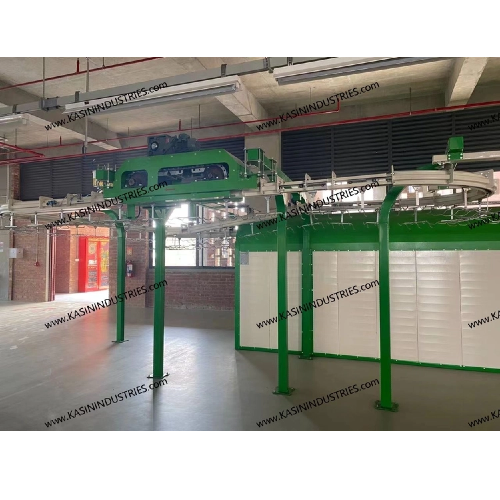
An overhead chain conveyor is a type of material handling system that transports products along a track system placed above the ground. Unlike traditional floor-based conveyors, overhead chain conveyors utilize vertical space, freeing up valuable floor area for other equipment and operations. These systems use a chain to move products suspended from the conveyor, ensuring smooth and continuous transportation.
Overhead chain conveyors are designed to handle a variety of materials, from heavy automotive parts to fragile electronics and food products. By integrating these systems into industrial processes, businesses can significantly improve their material handling capabilities, reducing downtime, improving productivity, and enhancing the overall efficiency of production lines.
Why Are Overhead Chain Conveyors Important?
Overhead chain conveyors are vital for industries looking to optimize their operations. They offer a range of benefits that traditional conveyor systems cannot match, such as maximizing space, increasing efficiency, and ensuring reliable product movement. These systems are essential in settings where floor space is limited or when there is a need to transport heavy or bulky items across various production stages.
2. Space Optimization: Maximizing Floor Space
Utilizing Vertical Space
One of the primary advantages of overhead chain conveyors is their ability to utilize vertical space. By positioning the conveyor system above the production floor, businesses can free up significant floor space that would otherwise be occupied by ground-based conveyors. This allows for more efficient use of available space, making room for other machinery, equipment, or workstations.
In manufacturing environments where space is often limited, overhead chain conveyors provide an effective solution to optimize space utilization. This design not only increases the available floor area but also enables businesses to expand their production capacity without the need for costly facility expansions.
Improving Factory Layouts
Overhead chain conveyors improve the layout of production lines by allowing for a more organized and streamlined workflow. With the conveyor operating above the floor, workers have easier access to the ground for tasks like assembly, inspection, or packaging. The system can be integrated into various parts of the factory, ensuring products move smoothly from one stage to the next without congestion or unnecessary delays.
Additionally, overhead systems can be designed to follow specific paths that match the factory's workflow, creating a more efficient layout that minimizes the need for workers to move between stations.
Optimizing Small Spaces
In factories or warehouses with limited floor space, overhead chain conveyors are an excellent solution to maximize storage and operational efficiency. By moving products through the air, businesses can better utilize the available space beneath the system for storage, equipment, or other functions. This is especially beneficial in industries with high-density operations or multi-level facilities.
Benefit | Explanation |
Maximized Floor Space | By utilizing vertical space, overhead conveyors free up valuable ground area. |
Efficient Factory Layouts | Streamlined workflows and better organization of workstations. |
Optimized for Small Spaces | Ideal for factories with limited floor area, allowing for more storage. |
3. Enhanced Efficiency: Boosting Production Speed
Continuous Flow of Products
Overhead chain conveyors ensure a continuous flow of products throughout the production line. By automating the transportation process, businesses can eliminate delays caused by manual handling or bottlenecks. These systems are designed for high-speed operation, ensuring that products are efficiently moved from one production station to another with minimal downtime.
This continuous movement is particularly beneficial in industries where speed is crucial, such as automotive manufacturing, where parts must be moved seamlessly through various stages of assembly.
Minimizing Downtime
Downtime can be a significant issue in manufacturing environments, leading to production delays and higher operational costs. Overhead chain conveyors help minimize downtime by operating consistently and efficiently. With fewer interruptions in the movement of goods, businesses can keep their production lines running smoothly, reducing the need for manual intervention and maintenance.
The automation provided by overhead chain conveyors also helps prevent human error, further reducing the chances of production stoppages caused by faulty handling or mismanagement of materials.
Improved Workflow
The design of overhead chain conveyors enhances the overall workflow within a production facility. These systems can be integrated into existing production lines, allowing products to move efficiently from one stage to the next without causing delays. Additionally, the modular nature of overhead chain conveyors means they can be easily adjusted to accommodate different production needs, whether for continuous production or batch processing.
In industries such as food processing or electronics manufacturing, where time-sensitive tasks are crucial, the efficient transport of materials across various stages can lead to significant improvements in production speed and overall operational efficiency.
4. Versatility: Handling a Wide Range of Products
Diverse Material Handling
Overhead chain conveyors are versatile in terms of the materials they can handle. Whether it’s heavy automotive parts, delicate electronic components, or bulk items, these systems are designed to transport a wide range of products with varying sizes, weights, and shapes. The conveyor chains can be customized with different attachments, allowing for the transport of specific materials without causing damage.
For example, in the automotive industry, overhead chain conveyors can transport car parts like engines, doors, and chassis, while in the food industry, they can be used to move fragile items such as packaged goods or trays of food products.
Customizability for Specific Needs
Another significant benefit of overhead chain conveyors is their customizability. These systems can be tailored to meet the specific needs of various industries and production environments. Whether you need a conveyor to handle heavy loads, high-speed transportation, or special handling for fragile materials, overhead chain conveyors can be designed to accommodate these requirements.
Customizable features include the track layout, speed controls, load capacity, and the type of attachments used to secure the products. This adaptability makes overhead chain conveyors an excellent choice for businesses with unique operational needs.
Adaptability Across Industries
Overhead chain conveyors are used in a wide variety of industries, from automotive and food processing to textiles and electronics. Their ability to handle diverse materials and adapt to various production needs makes them a versatile solution for many different applications.
Industry | Material Types Handled | Application |
Automotive | Heavy components like engines, doors, chassis | Automotive assembly lines and part transport. |
Food Processing | Packaged goods, trays, food products | Transporting food items through various processing stages. |
Electronics | Fragile parts, electronic components | Moving delicate parts through assembly and testing lines. |
Textiles | Fabric rolls, garments | Used in textile factories to move fabrics and garments. |
5. Durability and Reliability: Reducing Maintenance Needs
Long-lasting Performance
Overhead chain conveyors are built to handle continuous, high-speed operations, making them highly durable. These systems are designed for long-term use and can withstand the demands of industrial environments without requiring frequent repairs or replacements. The robust materials used in the construction of the chains and components ensure that the system remains operational even in challenging environments.
Low Maintenance Requirements
One of the key advantages of overhead chain conveyors is their low maintenance needs. Unlike other types of conveyors, which may require frequent upkeep, overhead chain conveyors are designed to operate efficiently with minimal intervention. Regular maintenance, such as lubrication and chain tension adjustments, is usually sufficient to keep the system running smoothly.
Additionally, the components of overhead chain conveyors are often designed to be easy to replace, reducing maintenance costs and ensuring the system’s longevity.
Built for Harsh Environments
Overhead chain conveyors are suitable for use in harsh environments, such as high-temperature or dusty conditions, where other types of conveyors might fail. Their robust design ensures reliable operation even in challenging industrial settings, such as manufacturing plants, warehouses, and food processing facilities.
6. Safety and Ergonomics: Improving Workplace Conditions
Reducing Manual Handling
One of the key safety benefits of overhead chain conveyors is the reduction of manual material handling. By automating the transportation process, these systems eliminate the need for workers to carry heavy or bulky items, reducing the risk of injury. This is particularly important in industries where workers are required to lift heavy products regularly, such as in automotive or construction manufacturing.
Better Ergonomics
The ergonomic design of overhead chain conveyors helps improve workplace conditions by ensuring that products are moved without requiring workers to perform physically demanding tasks. With materials being automatically transported overhead, employees can focus on other critical tasks without the need for constant physical strain, improving both productivity and worker comfort.
Workplace Safety
By reducing the need for manual handling, overhead chain conveyors contribute to a safer work environment. Workers are less likely to experience strain injuries, and the automated movement of products reduces the risk of accidents caused by improper handling or misplacement of materials.
7. Cost-Effectiveness: Long-Term Investment
Lower Labor Costs
One of the most significant benefits of overhead chain conveyors is their ability to reduce labor costs. By automating the material handling process, businesses can reduce the need for manual labor, leading to savings in wages and operational costs. With overhead conveyors handling the transportation of goods, workers can focus on other tasks, increasing overall productivity.
Efficiency Gains
In addition to reducing labor costs, overhead chain conveyors improve overall operational efficiency. By ensuring a continuous flow of materials, businesses can reduce production delays and keep the production line running at full capacity. This efficiency leads to higher output, which ultimately results in increased profitability.
Lower Operational Costs
Overhead chain conveyors are designed for durability, meaning they require less maintenance and repair compared to other types of conveyors. With fewer parts to replace and lower maintenance costs, businesses can save on operational expenses over time. The system's reliability also reduces the chances of production stoppages, contributing to long-term savings.
8. Conclusion
Overhead chain conveyors offer a variety of essential benefits for modern industries, including space optimization, enhanced efficiency, and versatile material handling. These systems are crucial for industries such as automotive manufacturing, food processing, and logistics, where reliable, continuous transportation of products is necessary to maintain smooth operations. Additionally, overhead chain conveyors improve durability and safety by reducing the need for manual handling and minimizing the risk of injury.
As industrial requirements evolve, overhead chain conveyors will continue to play a vital role in helping businesses streamline their production lines, reduce labor costs, and increase overall productivity. At Kasin Industries (Shanghai) Co., Ltd., we specialize in providing high-quality overhead chain conveyor solutions designed to meet the unique needs of your business. Whether you’re looking to enhance your existing operations or implement new systems, we offer the expertise and support to help you achieve optimal efficiency. Contact us today to learn how we can help optimize your material handling processes and improve your production workflow.
9. FAQ
Q1: What industries benefit most from overhead chain conveyors?
Answer: Overhead chain conveyors are ideal for industries such as automotive, food processing, electronics, and textiles. These industries rely on efficient and continuous material transportation to streamline production processes.
Q2: How do overhead chain conveyors improve factory space utilization?
Answer: By utilizing vertical space, overhead chain conveyors free up valuable floor space, allowing businesses to optimize their facility layouts and store more materials or place additional equipment in the available area.
Q3: Can overhead chain conveyors handle heavy materials?
Answer: Yes, overhead chain conveyors are designed to transport both light and heavy materials. They are equipped with robust chains and attachments that can handle loads up to several hundred kilograms.
Q4: How much maintenance do overhead chain conveyors require?
Answer: Overhead chain conveyors require minimal maintenance. Regular tasks include lubrication, checking chain tension, and replacing worn-out parts, ensuring smooth and efficient operation over time.
Q5: Are overhead chain conveyors customizable for specific needs?
Answer: Yes, these systems are highly customizable to meet specific industry requirements, including adjustments for load capacities, speed settings, and track layouts to accommodate various types of products.