Shaft couplings are essential components in mechanical systems that connect two shafts to transfer torque and allow for the smooth operation of various equipment. These components are integral in a wide range of industries, from heavy machinery and automotive to automation and power transmission systems. Despite their simple appearance, shaft couplings perform critical functions such as transmitting power, compensating for misalignment, and absorbing vibration. In this article, we will explore the primary functions of shaft couplings, the types available, how they work, their role in machinery, and tips for selecting the right one for your application.
What Is Shaft Coupling
Definition of Shaft Coupling
A shaft coupling is a mechanical device that connects two rotating shafts, transmitting torque and rotational motion between them. The primary function of a coupling is to join two shafts while allowing them to operate as a single unit. This enables the system to perform the necessary mechanical tasks, such as rotating machinery parts and driving industrial processes.
Shaft couplings are used to link motor shafts with pump shafts, compressor shafts with fan shafts, and much more. They come in different types, each designed for specific functions and applications, depending on the system's mechanical requirements.
Basic Structure and Role in Mechanical Systems
Shaft couplings are crucial components in power transmission systems. They are used to link rotating components in machines, such as motors and pumps, ensuring that power is transmitted efficiently. Shaft couplings play an essential role in machinery by enabling torque to be transferred between two shafts while minimizing mechanical stress on the components.
In many mechanical systems, shaft couplings can also absorb vibrations, accommodate misalignments, and reduce shock loads, thereby extending the life of the connected equipment.
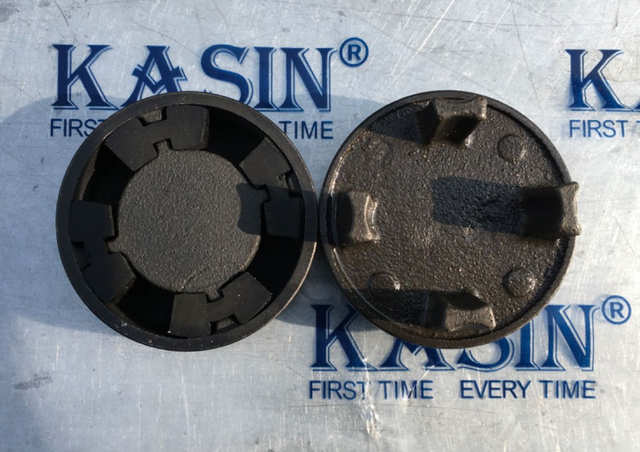
Primary Functions of Shaft Couplings
Torque & Power Transmission
The most fundamental function of a shaft coupling is to transmit torque between two shafts. The coupling ensures that rotational power from the driving shaft is effectively transferred to the driven shaft, allowing the connected machinery to operate efficiently. This transmission of torque is essential for the smooth operation of various systems such as pumps, motors, and conveyors.
Without a coupling, the two shafts would be unable to transfer energy from one to the other, leading to operational failures.
Compensate Shaft Misalignment
One of the significant roles of a shaft coupling is to compensate for misalignment between two connected shafts. Misalignment can occur due to manufacturing tolerances, installation errors, thermal expansion, or wear during operation. Shaft couplings, especially flexible types, are designed to handle angular, radial, and axial misalignment without compromising performance.
Misalignment can lead to excessive wear and tear on machinery, causing vibrations, energy inefficiency, and even damage to components. A coupling can absorb these misalignments and ensure that the shafts continue to rotate in harmony.
Vibration & Shock Absorption
Shaft couplings also play a vital role in reducing vibrations and absorbing shock loads that may occur during machine startup, operation, or when sudden changes in load are applied. Vibrations and shocks can negatively impact the performance and lifespan of mechanical systems, leading to premature component failure.
By incorporating elastomeric or other flexible materials, shaft couplings help mitigate vibrations and protect sensitive machinery components from damage. This is especially important in applications involving high-speed machinery or systems that undergo frequent start-stop cycles.
Reduce Wear, Noise & Operational Stress
In addition to absorbing vibrations, shaft couplings help reduce mechanical wear caused by misalignment and shock loads. These functions result in quieter operation, reduced friction, and less stress on the connected components, which ultimately leads to a longer service life for the machinery.
By improving efficiency and reliability, couplings ensure that systems run smoothly with minimal maintenance or downtime.
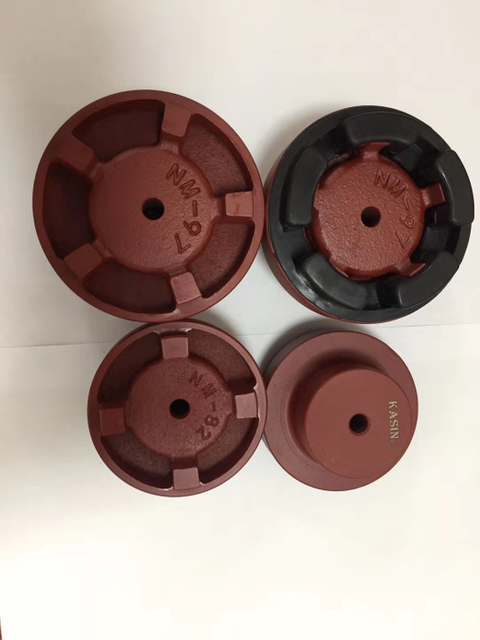
Types of Shaft Couplings and Their Functional Roles
Rigid Shaft Couplings
Rigid shaft couplings connect two shafts with no flexibility. These couplings are used in systems where the shafts are perfectly aligned and are not subjected to misalignment. They are suitable for high-torque applications, as they provide a strong, stable connection that transfers power with little to no loss. However, they cannot compensate for any misalignment, making them inappropriate for environments where misalignment is likely to occur.
Function & Application
Rigid couplings are ideal for applications with highly precise alignment and low tolerance for error. They are commonly used in systems where shafts are directly aligned and need a reliable connection, such as in robotics and precision machinery.
Flexible Shaft Couplings
Flexible shaft couplings are designed to accommodate slight misalignments between connected shafts. They can handle angular, parallel, and axial misalignments, making them ideal for a wide range of applications where perfect shaft alignment cannot be guaranteed.
Flexible couplings are often made from materials like rubber, elastomers, or composites that can absorb vibrations and shock loads, offering better performance in dynamic systems.
Overview
Flexible couplings are widely used in industrial machinery, automotive systems, and automation equipment, where misalignment, vibrations, and torque fluctuations are common.
Features & Benefits
Misalignment compensation
Vibration and shock absorption
Reduced noise and operational stress
Lower maintenance requirements
Specialized Coupling Types
Elastomeric & Grid Couplings
These types of couplings are known for their flexibility and ability to absorb shock loads. They are commonly used in systems where noise and vibration are a concern. Elastomeric couplings, for instance, use flexible rubber or elastomeric materials to cushion against shock and reduce vibrations. Grid couplings are often used for high-torque applications and offer excellent shock absorption capabilities.
Universal & Beam Couplings
Universal couplings (also known as universal joints) allow for greater angular misalignment and are often used in automotive and conveyor systems. Beam couplings are used in precision systems, such as CNC machines, where misalignment must be minimized, but flexibility is still necessary.
How Shaft Couplings Work
Mechanical Power Transfer Mechanism
Shaft couplings are designed to transfer rotational power from one shaft to another. This is achieved through a series of mechanical components that securely connect the two shafts. The coupling ensures that torque is transmitted smoothly while preventing slippage or excessive wear on the shafts.
Depending on the type of coupling, the design can include gears, elastomers, or metal elements that lock the shafts together and enable power transfer. This process is crucial for ensuring consistent performance and reliability in various machinery applications.
Compensation Mechanisms
Shaft couplings can handle misalignment through different mechanisms depending on the coupling design. Flexible couplings, for example, use materials that allow them to bend or stretch slightly to accommodate angular, radial, or axial misalignment. This flexibility helps prevent excessive wear on the components and ensures that the shafts continue to rotate smoothly.
Dynamic Behavior During Operation
Shaft couplings also play a critical role in handling dynamic forces during operation. When machines experience sudden changes in load or speed, the coupling absorbs the shock and prevents damage to the components. This dynamic behavior ensures that the system remains operational even under fluctuating conditions.
Benefits of Using Shaft Couplings in Machinery
Improved Equipment Reliability
By compensating for misalignment and absorbing shock loads, shaft couplings help improve the overall reliability of mechanical systems. This is particularly important in systems that operate under high stress or frequent start-stop cycles, where equipment failure is common.
Extended Equipment Life
Shaft couplings reduce the wear and tear on connected components, extending the service life of machinery. By absorbing vibrations and preventing misalignment, couplings prevent damage to sensitive components like bearings and gears, which can be costly to replace.
Reduced Maintenance & Downtime
With proper coupling selection, machinery requires less frequent maintenance and fewer repairs. The ability to compensate for misalignment and reduce vibrations means that components remain in good condition for longer periods, reducing the need for costly repairs and minimizing downtime.
Applications of Shaft Couplings
Industrial Machinery
Shaft couplings are widely used in heavy-duty industrial machinery, such as pumps, compressors, and conveyors, where reliable power transmission and misalignment compensation are critical. Couplings in these systems help reduce the risk of mechanical failure and ensure smooth operation.
Automation & Precision Equipment
In automation and precision equipment, shaft couplings help maintain accuracy and reduce vibrations, ensuring that the machinery performs at peak efficiency. For example, in robotics and CNC machines, couplings are used to ensure precise alignment and minimize any mechanical inaccuracies.
Automotive & Transportation Systems
In the automotive industry, shaft couplings are used to connect various drivetrain components, such as the engine and wheels, allowing power to be transmitted while compensating for misalignment. They are also used in transportation systems, such as buses and trains, to reduce vibrations and noise.
Selection Criteria for Shaft Couplings
Torque & Load Requirements
When selecting a shaft coupling, the first step is to calculate the required torque and load. The coupling must be able to handle both the continuous operating torque and any peak torque that may occur during startup or under heavy load conditions.
Operational Speed and Environmental Conditions
The operational speed (RPM) of the system, along with environmental factors such as temperature, corrosion, and exposure to chemicals, must also be considered. For high-speed applications, high-strength materials such as steel or alloy may be required.
Misalignment Tolerance & Dynamic Needs
Depending on the level of misalignment expected in the system, a flexible coupling may be necessary. Additionally, for systems with fluctuating loads or dynamic movements, it is essential to select a coupling that can handle these conditions without excessive wear or failure.
Maintenance Tips for Shaft Couplings
Inspection and Wear Monitoring
Regular inspections are essential to identify signs of wear, such as cracks or excessive lubrication loss. These inspections should be scheduled based on the operating conditions of the machinery.
Lubrication (if applicable)
Some couplings, such as those with metal or elastomeric components, require lubrication to reduce friction and ensure smooth operation. Proper lubrication extends the lifespan of the coupling and reduces the risk of premature wear.
Replacement Guidelines
If a shaft coupling shows signs of significant wear, cracking, or loss of flexibility, it should be replaced immediately to avoid causing damage to the connected machinery. Regular monitoring ensures timely replacement and prevents costly downtime.
Conclusion
Shaft couplings are integral to the performance, reliability, and longevity of mechanical systems. By efficiently transmitting power, compensating for misalignment, and reducing vibrations, shaft couplings ensure smooth and continuous operation. Whether used in heavy machinery, precision equipment, or automotive systems, shaft couplings play a vital role in maintaining mechanical efficiency.
For industries looking for the best in mechanical components, Kasin Industries offers a wide range of shaft couplings, including flexible, rigid, and specialized couplings. With decades of expertise, Kasin provides tailored solutions to meet the unique requirements of various industrial applications, ensuring optimal performance and durability.
FAQ
1. What does a shaft coupling do?
A shaft coupling connects two rotating shafts, transmitting torque while compensating for misalignment and reducing vibrations.
2. Why is misalignment compensation important in shaft couplings?
Misalignment can cause excessive wear and vibration. Shaft couplings prevent this by allowing slight misalignments, extending component life.
3. What are rigid and flexible shaft couplings?
Rigid couplings provide a solid connection, while flexible couplings allow for misalignment compensation and reduce shock and vibration.
4. How do shaft couplings reduce machine wear and tear?
By absorbing vibrations and compensating for misalignment, couplings reduce stress on components, preventing premature wear.
5. When should a shaft coupling be inspected or replaced?
Regular inspections are essential. Replace couplings if they show signs of wear, cracking, or misalignment that cannot be corrected.