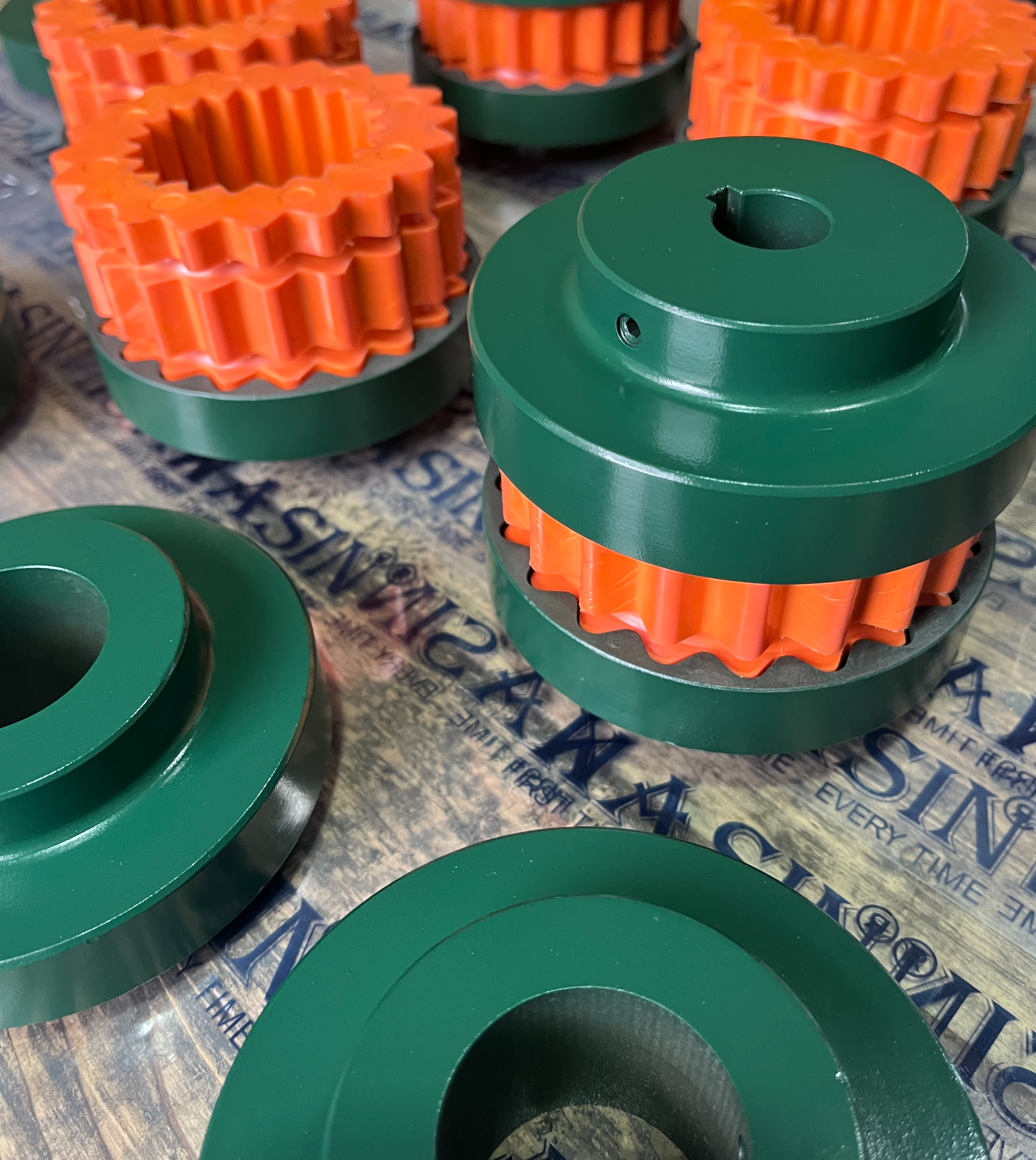
Premature coupling failure rarely stems from the robust metal hubs. It is typically an elastomeric sleeve mismatch. Plant managers often overlook this critical component during routine maintenance. Selecting the wrong sleeve material for a flexible shaft coupling leads to accelerated wear, transmitted vibration, and unplanned downtime. You risk transferring destructive radial loads to expensive connected equipment like motors and gearboxes. A simple specification error can easily halt an entire production line.
We will evaluate EPDM, Neoprene, and Hytrel objectively based on torque capacity, environmental resilience, and torsional flexibility. You will learn how to determine the correct specification for demanding industrial applications. This guide equips you to match the exact elastomer to your specific operational constraints. Engineering and maintenance teams can use this analysis to prevent catastrophic drivetrain failures before they happen.
Key Takeaways
Neoprene is the operational baseline, offering balanced performance for standard indoor and moderate-duty applications.
EPDM sacrifices some petroleum resistance to deliver superior longevity in extreme weather, UV exposure, and specific chemical environments.
Hytrel maximizes torque density and chemical resistance but requires strict alignment tolerances due to its high torsional stiffness.
Sleeve selection dictates the long-term viability of a flexible shaft coupling; over-specifying torque (Hytrel) when misalignment is present will destroy adjacent bearings.
The Role of the Elastomeric Sleeve in a Flexible Shaft Coupling
A properly specified sleeve serves as the heart of the coupling assembly. It must transmit operational torque while absorbing heavy shock loads. It also accommodates unavoidable angular, parallel, and axial misalignment between connected shafts. Thermal expansion, foundation settling, and pipe strain cause these misalignments naturally over time. You rely on this elastomeric component to bridge the gap safely between driving and driven equipment.
The Friction and Heat Factor
Elastomers generate internal heat during continuous flexing. Mechanical engineers call this phenomenon hysteresis. Material choice determines how effectively the sleeve dissipates this internal heat before structural degradation occurs. If a sleeve cannot shed heat fast enough, the rubber compound hardens, cracks, and eventually shatters. You must select an elastomer perfectly matched to the cycle rate and misalignment severity of your specific drivetrain.
System Protection and Mechanical Fusing
The sleeve acts as a sacrificial mechanical fuse for your machinery. In catastrophic jamming events, the sleeve should shear completely. This deliberate failure disconnects the power source and protects expensive connected equipment like variable frequency drive motors and planetary gearboxes. Replacing a destroyed rubber sleeve costs mere fractions compared to rebuilding a heavily damaged gearbox.
Best Practices: Always inspect elastomeric sleeves during routine preventive maintenance routes. Look closely for fine rubber dust beneath the metal coupling guard. This dust strongly indicates premature wear caused by excessive shaft misalignment.
Common Mistakes: Ignoring initial laser alignment procedures entirely. Many technicians mistakenly assume the flexible rubber sleeve will indefinitely compensate for severe installation errors.
Neoprene: The Baseline Standard for General Industry
Neoprene consists of a versatile polychloroprene rubber compound. It remains the default choice for standard industrial environments globally. Most manufacturing facilities stock Neoprene sleeves for general-purpose motor-to-pump applications.
Performance Strengths
This material offers excellent torsional flexibility. It typically provides a 15-degree torsional wind-up at its maximum rated torque. This high flexibility allows it to absorb harsh operational shock loads highly efficiently. Neoprene provides moderate resistance to incidental machine oil, bearing grease, and common industrial chemicals. It handles an ambient operating temperature range from -30°F to 275°F (-34°C to 135°C). You can deploy it confidently across almost all climate-controlled manufacturing plant floors.
Limitations and Implementation Risks
Neoprene degrades rapidly under continuous exposure to aggressive industrial solvents or strong acids. It also suffers extensive molecular breakdown under high-intensity UV light and ozone exposure. You should never specify standard Neoprene for extreme outdoor climates. If you place a Neoprene sleeve outside in direct sunlight, the rubber will dry rot, turn brittle, and crack prematurely.
Best Practices: Use Neoprene sleeves for indoor centrifugal water pumps, HVAC exhaust fans, and standard dry-goods conveyor drives.
Common Mistakes: Deploying Neoprene in heavy chemical washdown zones. Aggressive cleaning solvents will rapidly accelerate material breakdown and cause unexpected coupling rupture.
EPDM: Built for Environmental Extremes and High-Moisture
EPDM stands for Ethylene Propylene Diene Monomer. It is a highly engineered synthetic rubber optimized specifically for extreme environmental resistance. When standard commercial rubber fails due to weather exposure, EPDM consistently excels.
Performance Strengths
EPDM provides exceptional resistance to punishing UV rays, concentrated ozone, and harsh weather conditions. It serves as the ideal choice for outdoor green energy infrastructure. You will frequently see EPDM sleeves utilized on solar panel trackers or wind turbine auxiliary drive systems. It also performs highly effectively in high-moisture, steam-heavy, and specific chemical washdown environments found in food processing. Despite its rugged environmental profile, it maintains the exact same 15-degree torsional wind-up flexibility as Neoprene. This unique characteristic ensures excellent mechanical shock absorption.
Limitations and Implementation Risks
EPDM exhibits extremely poor resistance to petroleum-based oils and synthetic lubricants. If the coupling operates under heavy gear oil or constant hydraulic fluid drip, the EPDM will swell dramatically. The material quickly loses its structural integrity, becomes gummy, and fails prematurely under torque. You must never install EPDM near leaking hydraulic power units or heavily lubricated open gear trains.
Best Practices: Specify EPDM for large cooling tower drives, remote outdoor pumping stations, and food processing areas requiring daily steam washdowns.
Common Mistakes: Selecting EPDM for a CNC machine tool spindle where aggressive cutting fluids and lubricating oils frequently splash directly onto the coupling housing.
Hytrel: High Torque Density and Heavy-Duty Performance
Hytrel operates as a specialized thermoplastic polyester elastomer. It functions much more like a semi-rigid plastic than a soft, pliable rubber. Mechanical engineers choose Hytrel primarily for pure, uncompromised power transmission.
Performance Strengths
Hytrel transmits up to four times the physical torque of EPDM or Neoprene for the exact same physical sleeve size. This massive power density allows you to utilize much smaller metal coupling hubs in space-constrained machine assemblies. It offers excellent resistance to synthetic oils, harsh chemicals, and wide temperature swings. It operates incredibly reliably from -65°F all the way up to 250°F (-54°C to 121°C).
Limitations and Implementation Risks
This dense material possesses very low torsional flexibility. It typically maxes out at only a 7-degree torsional wind-up. Because it barely twists under heavy load, it naturally transmits significantly more vibration through the drivetrain. Hytrel absolutely demands precision laser alignment during installation. Using Hytrel to blindly compensate for poor shaft alignment will transfer destructive radial loads directly to the motor and gearbox bearings.
Best Practices: Deploy Hytrel in high-torque, low-speed applications like rock crushers or heavy industrial mixers where physical space is limited and alignment is tightly controlled.
Common Mistakes: Upgrading a constantly failing Neoprene sleeve to Hytrel without fixing the underlying structural misalignment issue. The tough Hytrel sleeve will easily survive, but the expensive motor bearings will shatter next.
Head-to-Head Evaluation: Core Selection Criteria
Selecting the right elastomer requires carefully balancing power transmission needs against environmental realities. You must weigh these operational factors carefully before generating a purchase order.
Evaluating Torque vs. Misalignment
Use Neoprene or EPDM when mechanical shock absorption and misalignment accommodation represent your primary engineering goals. These softer elastomers highly forgive slight installation errors or dynamic base shifting. They protect the entire system from sudden torsional spikes. Use Hytrel when pure power density is your primary requirement. If you desperately need high torque capacity in a confined physical space and you can tightly control shaft alignment, Hytrel performs brilliantly.
Environmental and Climate Assessment
Map the true operating environment thoroughly before purchasing your components. High ambient heat, relentless humidity, and direct UV exposure strongly dictate EPDM. Standard indoor plant floors utilize Neoprene perfectly for years. Heavy industrial oil exposure or aggressive chemical manufacturing environments strictly demand Hytrel.
Platform Compatibility
When specifying standard components like a Sure-Flex coupling, sleeve materials are fully dimensionally interchangeable. This intelligent modularity allows facilities to upgrade or swap elastomer materials without replacing the heavy cast iron or steel hubs. You simply unbolt the outer retaining rings, slide the old rubber sleeve out, and drop the newly specified material directly into place.
Material Comparison Matrix
Elastomer Material
Torsional Flexibility
Oil and Chemical Resistance
Weather and UV Resistance
Relative Torque Capacity
Neoprene
High (15° Wind-up)
Moderate
Low
Standard (1x Baseline)
EPDM
High (15° Wind-up)
Poor
Excellent
Standard (1x Baseline)
Hytrel
Low (7° Wind-up)
Excellent
Moderate
High (4x Baseline)
Implementation Risks and Shortlisting Logic
Engineering teams frequently make critical errors when translating clean catalog data into dirty field installations. You must look far beyond simple peak torque ratings.
Catalog Specs vs. Field Realities
Do not select Hytrel simply because the digital catalog shows a much higher torque rating. Over-sizing the torque capacity severely reduces the coupling's ability to dampen system vibration. A coupling must flex slightly to protect the broader drivetrain. If you install an oversized, rigid sleeve, you completely lose the mechanical fuse protection. The coupling becomes a solid battering ram during a jam.
Sizing Adjustments
Switching from standard Neoprene to high-strength Hytrel often means you can step down a full coupling size. This strategic reduction decreases the rotating mass and lowers the start-up inertia on the motor shaft. Conversely, switching from stiff Hytrel down to EPDM requires verifying the new, lower torque rating. You must guarantee the softer rubber material still meets your application demands without shearing instantly upon motor startup.
Shortlisting Next Steps
Follow this structured process to select your next elastomeric sleeve correctly:
Calculate actual application torque: Determine the base running torque and apply the correct American Gear Manufacturers Association (AGMA) service factor for your machinery type.
Audit the local environment: Document any presence of aggressive chemicals, extreme weather exposure, or leaking petroleum-based oils.
Measure maximum acceptable misalignment: Use high-quality dial indicators or precision laser tools to find your actual angular and parallel shaft offset.
Select the final material: Choose the specific elastomer that satisfies your single harshest operational constraint.
Conclusion
No single elastomer is universally superior across all industrial scenarios. True operational value is determined entirely by precise application matching. You must closely align the material chemistry with your actual physical plant environment.
To summarize the core decision matrix: Choose Neoprene for standard-duty indoor manufacturing operations. Select EPDM for outdoor weather resilience and constant water exposure. Specify Hytrel for high-torque demands and heavy petroleum environments where precision alignment is guaranteed.
We strongly encourage engineering teams to audit their current coupling failure rates. Consult your technical specifications carefully before automatically replacing a blown sleeve with the exact identical material. A simple, well-researched material upgrade can permanently eliminate recurring maintenance headaches. Analyze your failed sleeves today, identify the true root cause, and upgrade your purchasing specifications accordingly.
FAQ
Q: Can I swap a Neoprene sleeve for a Hytrel sleeve in the same coupling hubs?
A: Yes, the sleeves are entirely dimensionally interchangeable in standard designs like the Sure-Flex coupling. However, verify your system can handle Hytrel's increased stiffness. Because it flexes significantly less, it reduces your overall misalignment tolerance. Ensure you laser-align the shafts perfectly before running the equipment to prevent catastrophic bearing damage.
Q: Why did my EPDM coupling sleeve fail prematurely indoors?
A: EPDM degrades extremely quickly when exposed to petroleum-based oils, machine greases, or hydraulic fluids. If your indoor environment features heavy oil mist or dripping lubricants, the EPDM will swell rapidly and tear apart. You must switch to Neoprene or Hytrel immediately to survive petroleum exposure.
Q: How do temperature extremes affect flexible shaft coupling sleeves?
A: Extreme cold makes elastomers highly brittle. This drastically reduces their flexibility and increases the risk of them shattering completely upon motor start-up. High continuous ambient heat accelerates rubber hardening and cracking over time. Always verify your ambient temperatures against the specific material's rated catalog limits before installation.
Q: Does sleeve material impact vibration dampening?
A: Yes. Softer materials like Neoprene and EPDM dampen torsional vibration and mechanical shock loads highly effectively. They twist up to 15 degrees under heavy load. Harder materials like Hytrel transmit much more vibration directly through the drivetrain because they only twist about 7 degrees.
As one of the largest manufacturers in the Chinese market of chain and power transmission components, our experience and adaptability are unparalleled.