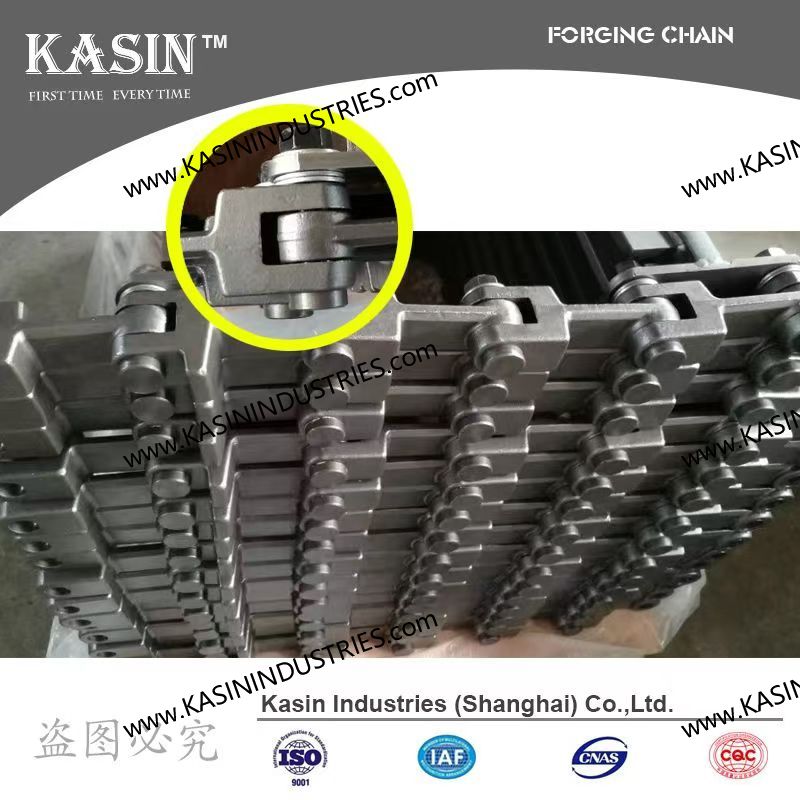
In bulk material handling, the operational bottleneck is rarely the motor. It is often a stark mismatch between the bulk material and the scraper flight geometry. Selecting the wrong scraper shape inevitably leads to excessive material carryback. Poor selections accelerate trough wear and cause premature failure of the forged chain links. To avoid these costly pitfall scenarios, engineers must look closely beyond basic dimensions. This guide provides a highly practical framework for evaluating scraper flight profiles. We base this assessment firmly on material characteristics and your specific conveyor layout. We strip away generic manufacturer marketing to focus entirely on application realities and long-term operational efficiency. You will learn exactly how to match specific profiles to exact field conditions. By doing so, you can securely optimize your material throughput.
Key Takeaways
Material dictates geometry: Free-flowing, abrasive, and sticky materials require fundamentally different flight profiles to prevent trough jamming and carryback.
Incline alters capacity: Flight shapes that perform efficiently on horizontal planes lose pushing capacity at steep inclines without specialized modifications.
System synergy is non-negotiable: The flight shape must integrate seamlessly with the specific forged scraper chain pitch and the overarching drive components.
Maintenance dictates attachment style: The choice between welded and bolted flights impacts downtime during replacement cycles.
The Business Impact of Scraper Flight Geometry
You cannot understate the financial impact of proper scraper flight geometry. Choosing an optimized profile directly influences your daily operational efficiency. It dictates energy consumption, maintenance schedules, and equipment longevity. Engineering teams must clearly define operational success criteria before selecting a specific shape.
We measure a successful scraper implementation using several key performance indicators. First, you should see maximum material throughput without frequent jamming. Second, the system must achieve minimal energy consumption per ton of moved product. Finally, you should observe uniform wear distribution across both the chain links and the conveyor trough. Meeting these criteria ensures a highly profitable material handling operation.
Many operators fall victim to the dead-weight penalty. They over-specify their flights by choosing exceptionally thick or heavy profiles. Oversized flights add unnecessary mass to the conveyor. This dead weight requires significantly higher motor torque just to move the empty chain. Consequently, it causes premature wear on your scraper conveyor drive components. You end up burning excess electricity to move steel instead of moving your actual product.
Carryback and trough wear represent hidden costs of poor geometry. When flights do not cleanly match the trough profile, material inevitably slips backward. This slipped material effectively acts as an abrasive grinding paste beneath the chain. The abrasive paste grinds down the trough floor and destroys chain link pins. Eliminating this gap through precise flight geometry prevents accelerated degradation.
Evaluating Core Scraper Flight Shapes
Understanding the standard profiles helps you make data-driven decisions. Each shape offers distinct advantages and specific limitations. We must evaluate them objectively based on feature-to-outcome principles.
Table: Comparison of Core Scraper Flight Profiles
Flight Profile
Primary Application
Key Advantage
Main Limitation
T-Type / Flat
Horizontal conveying, granular bulk
Gentle handling, low friction
High rollback on steep inclines
U-Type / C-Type
Inclined conveying, high flowability
Traps material physically
Higher friction against walls
I-Type / Heavy Bar
Highly abrasive or large lumps
Extreme durability
Heavy dead weight, high drag
O-Type / Skeleton
Tubular drag, solidifying bulk
Prevents material packing
Highly application-specific
T-Type / Flat Scrapers (Standard Duty)
The T-type or flat scraper serves as the industry baseline. They represent the most common profile found in standard duty material handling. We primarily use them for horizontal or slightly inclined conveyors handling granular, free-flowing materials. Examples include grain, wood chips, and dry agricultural products.
Their main limitation involves steep elevations. They deliver notoriously poor performance on steep inclines exceeding 15 degrees. Gravity causes the free-flowing material to roll backward over the flat top of the scraper. This material rollback drastically reduces volumetric efficiency. You should avoid flat scrapers if your layout demands sharp upward routing.
U-Type / C-Type / Cup Scrapers (High Capacity)
When you introduce inclines, U-type or C-type scrapers become highly necessary. They are best for inclined applications handling materials with higher flowability. We commonly refer to them as cup scrapers because their cupped design physically traps the material. They form a small pocket holding the product securely as it moves upward.
However, this cupped geometry creates higher friction against the conveyor trough walls. The trapped material can also pack tightly into the corners of the cup. Therefore, they remain prone to severe material packing if you handle sticky or moist bulk. You must inspect them frequently when conveying wet ash or humid biomass.
I-Type / Heavy-Duty Bar Scrapers
I-type scrapers consist of thick, highly robust steel bars. They are best for highly abrasive, heavy, or lumped materials like clinker, bottom ash, and raw coal. Engineers often pair these thick flights with a heavy-duty forged conveyor chain to endure massive impact loads. They easily smash through large clumps without bending.
Their primary drawback is the substantial upfront cost. These heavy profiles also require highly robust drive systems. The increased surface area creates massive drag friction against the trough floor. You must size your motors up accordingly to overcome this immense resistance.
O-Type / Skeleton Scrapers (Specialized)
O-type or skeleton scrapers look like open frames rather than solid plates. We utilize them best in tubular drag conveyors. They also excel when handling materials tending to solidify or cake under pressure. The open center allows material to flow slightly through the flight, breaking up potential blockages.
Their limitations stem from their specialized nature. They are complex to manufacture and highly application-specific. You will find them extremely difficult to retrofit into standard rectangular troughs. They require perfectly matched tubular casings to function correctly.
Decision Framework: Matching Flights to Operating Conditions
You need a concrete evaluation framework to select the ideal flight profile. Procurement and engineering teams must review specific material characteristics before approaching manufacturers. Skipping this evaluation often leads to disastrous operational failures.
Bulk Density and Friability
First, evaluate the bulk density of your product. High-density materials exert massive bending moments on the flights. Heavy ores or wet aggregates require much thicker flight profiles to resist bending backward. Conversely, friable materials demand a different approach. Friable products, like wood pellets or delicate grains, crumble easily under pressure. They require gentle, flat profiles preventing unwanted product degradation during transport.
Moisture Content and Stickiness
Next, carefully assess moisture levels. Wet materials behave completely differently than their dry counterparts. You must address the necessity of self-cleaning geometries for materials adhering readily to steel. Sticky bulk demands specialized solutions. We often recommend polymer-capped scraper tips. Ultra-High Molecular Weight (UHMW) polyethylene attachments drastically lower surface friction. They stop wet sludge or clay from caking onto the steel flights.
Conveyor Routing (Horizontal vs. Incline)
Conveyor layout dictates fluid physics inside the trough. Horizontal routing forgives many geometric inefficiencies. Incline routing ruthlessly exposes them. Material rollback becomes the dominant failure mode as you tilt the system upward. As a general engineering benchmark, at inclines exceeding 20 degrees, transitioning from flat to U-type flights becomes absolutely mandatory. This transition allows you to maintain acceptable volumetric efficiency without over-speeding the chain.
Implementation Realities: Attachment Methods and Wear Rates
Theoretical geometry means nothing if the flights fail in the field. Real-world implementation relies heavily on how you attach the scrapers and manage their inevitable wear. Maintenance realities should drive your final purchasing decision.
Bolted vs. Welded Attachments
You must choose between bolted and welded flight attachments. Each method carries specific operational consequences.
Bolted Attachments: Bolted configurations allow for rapid replacement of worn flights. Maintenance teams can swap out individual scrapers without removing the entire chain section. However, they carry a distinct risk. Fasteners easily vibrate loose in high-impact applications, causing severe internal jams.
Welded Attachments: Welding offers maximum structural rigidity. We strongly recommend welded flights for heavy-duty applications handling massive lumps. The main risk involves replacement complexity. When the scraper tip eventually wears out, it requires replacing the entire link and flight assembly simultaneously.
Wear Materials and Coatings
Prolonging the lifespan of your scraper flights prevents excessive downtime. You can strategically apply wear materials instead of upgrading the entire system. Using UHMW polyethylene bolt-on paddles extends the life of the underlying steel base. Once the plastic wears down, you simply bolt on a new paddle.
For highly abrasive environments, consider hard-faced weld overlays. Applying chromium carbide to the leading edge of the scraper drastically reduces abrasion. This localized hardening protects the tip without forcing you to upgrade the entire forged scraper chain to an expensive, specialized alloy.
Shortlisting and Finalizing Your Specifications
Once you understand your material and layout, you can finalize your specifications. Do not guess your operational metrics. Manufacturers need precise data to engineer a reliable system.
Data Gathering
Compile a comprehensive data sheet before requesting quotes. Your engineering checklist must include:
Target throughput measured in precise tons per hour.
Accurate bulk density of the material in its actual state.
Maximum possible lump size entering the trough.
Ambient operating temperature and expected humidity.
Providing this exact data prevents vendors from blindly guessing your requirements.
Validating Clearances
You must rigorously verify dimensional tolerances. Check the clearances between the proposed flight shape and the conveyor casing. Flights running too tight will jam immediately. Flights running too loose will cause massive carryback. Pay special attention to the sprocket engagement zones. Ensure the flight geometry clears the drive shafts cleanly during rotation.
Pilot Testing
Never implement a radically new scraper shape blindly across a massive facility. We highly recommend requesting small trial sections for highly abrasive applications. Install a short test segment and monitor the wear patterns for several weeks. This pilot testing helps you identify unequal drag or severe material packing before committing to a full-system rollout.
Conclusion
Scraper flight selection remains a delicate balancing act. You must carefully balance material handling efficiency against inevitable system wear. An undersized flat flight wastes volumetric capacity on inclines. An oversized, heavy-duty cup flight wastes electrical energy and burns out motors prematurely. Success requires matching the geometric profile directly to your bulk material characteristics and conveyor routing.
We advise buyers to look far beyond the initial unit price of the chain assembly. Focus deeply on overall lifecycle value and continuous operational efficiency. Factoring in future energy costs, expected flight replacement intervals, and unplanned downtime yields a much clearer picture. By thoroughly evaluating clearances, attachment methods, and wear coatings, you ensure a robust material handling system built for maximum longevity.
FAQ
Q: Can I retrofit a new scraper shape onto an existing forged conveyor chain?
A: Yes, you can successfully retrofit new shapes if utilizing bolted attachments. However, you must verify the new flight weight does not exceed the chain's maximum tensile limits. You also must ensure your existing drive motor possesses the necessary torque capacity to handle any increased drag friction.
Q: How do I prevent scraper flights from bending under heavy loads?
A: You should specify thicker, high-yield steel for the flight materials. Utilizing gusseted designs, like reinforced T-types, adds immense structural rigidity. Furthermore, ensure your chosen chain pitch is appropriately sized to physically clear the maximum material lump size without wedging.
Q: Why is my forged scraper chain wearing unevenly on one side?
A: Uneven wear is usually caused by uneven material loading inside the trough. It can also stem from severely misaligned sprockets driving the chain off-center. Bent scraper flights creating unequal drag friction against the sidewalls also contribute heavily to lopsided chain degradation.
As one of the largest manufacturers in the Chinese market of chain and power transmission components, our experience and adaptability are unparalleled.